Asbestos Risk in Older Housing
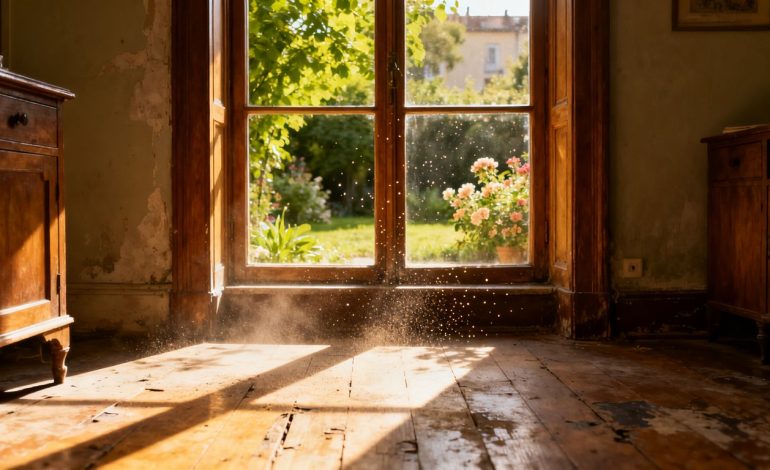

Living in a home constructed several decades ago requires a balanced perspective on environmental safety. Understanding the asbestos lung cancer risk associated with aging infrastructure is vital for renters who may be unaware of what lies behind their walls. While newer buildings adhere to modern safety standards, older properties often harbor materials that were standard before the 1980s.
The biological mechanism of asbestos fiber inhalation
When materials in an older building begin to degrade, they can release microscopic fibers into the indoor air. These fibers are so light that they drift through ventilation systems and settle on surfaces throughout a home. Once inhaled during daily tasks, these sharp, needle-like structures bypass the natural filtration systems of the upper airway, becoming deeply lodged within the lung tissue.
Long latency periods and late-stage diagnosis
One of the most insidious aspects of asbestos exposure is the significant delay between initial contact and the appearance of physical symptoms. It is common for health issues to materialize 15 to 35 years after particles enter the lungs. This extended dormant phase often means that by the time an individual experiences noticeable distress, the damage to pulmonary tissue has already progressed significantly, as noted in the research provided by scientific literature on asbestos.
Synergistic effects between smoking and asbestos exposure
The danger posed by asbestos is not static; it is compounded by other lifestyle factors, most notably the use of tobacco products. Studies indicate that individuals who smoke and have been exposed to asbestos face a risk levels five times higher than those who have not encountered the mineral. The intersection of these substances accelerates the cellular damage that eventually leads to malignant tumors, illustrating why public health advisors strongly categorize asbestos-related lung cancer as a preventable yet serious condition.
Differentiating between mesothelioma and lung cancer
While both diseases stems from fibrous inhalation, they manifest in distinct areas of the body. Mesothelioma develops specifically in the thin membrane layers that line the lungs and chest wall, whereas lung cancer typically forms within the bronchial tubes or the air sacs themselves. Distinguishing between the two is crucial for specific types of clinical treatment and prognosis, a subject detailed in the comprehensive overview of asbestos exposure effects.
Identifying potential sources of asbestos in rental properties
Identifying hazards requires a proactive approach to home maintenance and a basic understanding of vintage construction practices. Renters who focus on the age of their building are better equipped to spot signs of deterioration. By keeping a keen eye on the following elements, you can better monitor your safety and maintain a clear asbestos exposure risk profile.
Common construction materials used before the 1980s
Before strict regulations restricted its use, asbestos was a common binding component in building materials due to its thermal resistance. You might find it hidden in ceiling tiles, textured paint coatings, and even older vinyl flooring. As these materials dry out and become brittle with age, they lose their structural integrity.
Risks associated with damaged insulation and flooring
When flooring starts to curl or ceiling tiles show obvious cracks, the risk of fiber shedding increases. You should be particularly vigilant in rooms that have undergone minimal renovations since the building’s initial construction. These materials are generally safe if left completely undisturbed, yet damage from furniture legs or water leaks can create immediate hazards.
Asbestos-containing materials in building fixtures and coatings
Apartment fixtures, such as outdated heating unit wraps or older fireproofing sprays, are frequent sites where this mineral was integrated. It is common for these components to remain unseen for years, tucked behind utility closet doors or in drop ceilings. Maintenance staff might accidentally dislodge these during routine repairs if they are not aware of the material composition.
Hazards from aged plumbing and HVAC insulation
Older HVAC systems and pipe insulation often featured insulating wraps that contained mineral fibers. If these wrappings peel away from the pipes, fibers can become airborne every time the furnace cycles on. To properly manage these risks in your rental, consider the following actions:
- Visually check for any crumbling or dusty insulation around pipes in utility rooms.
- Keep records of any property management communication regarding maintenance work.
- Avoid storing items in attics or basements where insulation might be exposed.
- Use high-efficiency vacuum filters to traps any dust that may have settled on floors.
Taking these steps helps minimize the presence of loose material in your immediate living spaces, ensuring that potential dust is contained rather than circulated.
Recognizing common symptoms and health warning signs
It is often difficult to pinpoint the exact moment health symptoms begin when they manifest so gradually. Many individuals dismiss early respiratory issues as simple seasonal allergies or minor colds. Paying attention to persistent changes is the first step toward effective medical monitoring and long-term health management as described in the health effects of asbestos.
Identifying persistent respiratory distress and coughing
A chronic cough that does not resolve after several weeks is a common red flag that warrants closer scrutiny. When this cough is accompanied by audible wheezing or a feeling of heaviness when taking a deep breath, it may indicate that your airways are irritated. Residents of older homes should be particularly aware of whether these symptoms seem to improve when they are away from the property for an extended period.
Monitoring for chest pain and localized discomfort
Localized discomfort or a dull, aching pain in the chest cavity should never be ignored. This sensation may be a sign of inflammation in the pleura or physical pressure on the lungs which requires professional verification. If you notice pain that intensifies when you cough or take a shallow breath, it is time to record these episodes and speak with a healthcare provider immediately.
When to seek formal medical diagnostic testing
When symptoms persist, it is better to consult a specialist or primary care doctor to discuss your living history. Diagnostic testing often involves imaging studies such as chest X-rays or CT scans to view the current condition of the lung lining and airway structure. Bringing a record of the age and type of your home can provide necessary context for medical professionals assessing your risks.
Distinguishing early warning signs from chronic respiratory conditions
Frequently, patients are told they are suffering from standard bronchitis or common asthma rather than something rooted in environmental exposure. If you are not responding to the traditional treatment for these conditions, it is appropriate to ask about environmental factors. Establishing a clear link between your living environment and your ongoing symptoms is a critical part of the consultative process.
Evaluating exposure risk in your living environment
Assessing your home does not require expensive equipment, but rather a focused and systematic eye for detail. Most risks can be identified by simply observing the condition of your surroundings in the most used areas of the building. By remaining observant, you can create a safer home environment for your family.
Inspecting the home for signs of friable material
Friable material is essentially any substance that can be crumbled or reduced to powder by hand pressure alone. When these materials become crumbly due to heat or age, they offer the highest risk of releasing fibers. Carefully check corners and concealed spaces under sinks where baseboards or pipe seals may be degrading.
Assessing the condition of high-traffic areas
High-traffic areas are where wear and tear happen most rapidly. Check the flooring tiles in hallways or the base of walls where occupants bump furniture against the structures. If the flooring is original to an old building, ensure that no tiles are loose or cracked, as these areas are common pathways for fibers to be tracked throughout your apartment.
Situations that increase fiber release risks
Renovations are the most common cause of significant fiber release. If you see construction work happening in neighboring units, or if your landlord is performing unauthorized repairs, the potential for airborne hazards increases significantly. Home activities like drilling, mounting heavy shelves into old walls, or peeling painted wallpaper can also turn safe surfaces into sources of airborne particulates.
Hiring professional inspectors for air quality assessments
If you have genuine concerns about the air quality in your rental, hiring an accredited professional is the only way to gain certainty. These individuals use specialized equipment to test for airborne particulates that are not visible to the naked eye. This data can be invaluable if you need to build a case for safety improvements with your leasing office or property owner.
Implementing protective measures for your family
Practical steps for safety start with containment and maintenance of the status quo. If you suspect an area may contain dangerous materials, the best course of action is to avoid disturbing it entirely. Making minor adjustments to your daily routine can significantly contribute to peace of mind and family health.
Limiting physical disturbance of suspected asbestos materials
Do not attempt to scrape, sand, or patch any suspect walls or ceiling panels yourself. Even a small hole made to hang a picture frame can release lingering fibers that have been trapped behind a paint layer for decades. Should you feel a repair is necessary in a suspected area, pause and contact management rather than taking the risk yourself.
Improving indoor air quality through filtration
Using an air purifier equipped with high-efficiency particulate air filtration can help capture dust and stray fibers from the air. By keeping a purifier running in the bedrooms and central living areas, you remove the common pollutants that settle as household dust. This is an effective way to keep the atmosphere cleaner for children and vulnerable family members.
Maintaining property cleanliness to minimize dust accumulation
Regular wet dusting and mopping are far superior to sweeping or dry vacuuming when it comes to containing dust. A wet cloth or damp mop will trap fine particles, ensuring they are removed from the surface rather than kicked into the air. Consistent cleaning schedules help ensure that no potential contaminants remain on high-use surfaces.
Establishing communication protocols with your landlord
Keep a written log of when you have notified your landlord of potential hazards like water leaks or deterioration. If you notice a maintenance issue that could lead to exposed insulation, send a request via email to create a dated paper trail. This ensures that the property owners are aware of the obligation to keep the environment safe and provides documentation of your proactive requests.
Knowing your rights as a tenant regarding asbestos safety
Tenants have the right to a habitable environment, and this includes clear air and a building free from preventable hazards. Knowing exactly what landlords are responsible for can change how you approach discussions about property safety. Understanding these legal frameworks empowers you to protect your household without the fear of retaliation.
Understanding landlord disclosure requirements
In many jurisdictions, owners of older properties are legally mandated to disclose the known presence of materials like lead or asbestos to current and prospective tenants. Before signing a lease or during your time in the property, you can request any existing documentation regarding the building’s maintenance and abatement history. A transparent relationship with your landlord is the best way to handle these concerns.
Legal expectations for safe habitation
Landlords have a duty to keep common and private living areas in a condition that meets local building codes and safety regulations. If a property is found to be dangerous due to crumbling infrastructure or unmaintained hazardous materials, the owner is typically responsible for arranging professional remediation. You have the right to request that your living space is maintained in a manner that prevents the release of toxic dust.
Steps for reporting suspected safety violations
If your verbal requests to resolve a hazard go ignored, it is appropriate to use formal reporting procedures. Contact your local housing authority or environmental health department to inquire about property standards inspections in your area. An official report can initiate an assessment that ensures the owner complies with necessary safety, health, and building standards.
Seeking professional guidance for health and legal concerns
When dealing with significant health or legal questions, do not hesitate to seek counsel. Local resources, including specialized legal advisors, can help you interpret your lease and determine if a property owner has failed to meet the required standards. Keeping your family’s health as the priority ensures that you make decisions that prioritize long-term safety over the convenience of a current rental arrangement.