
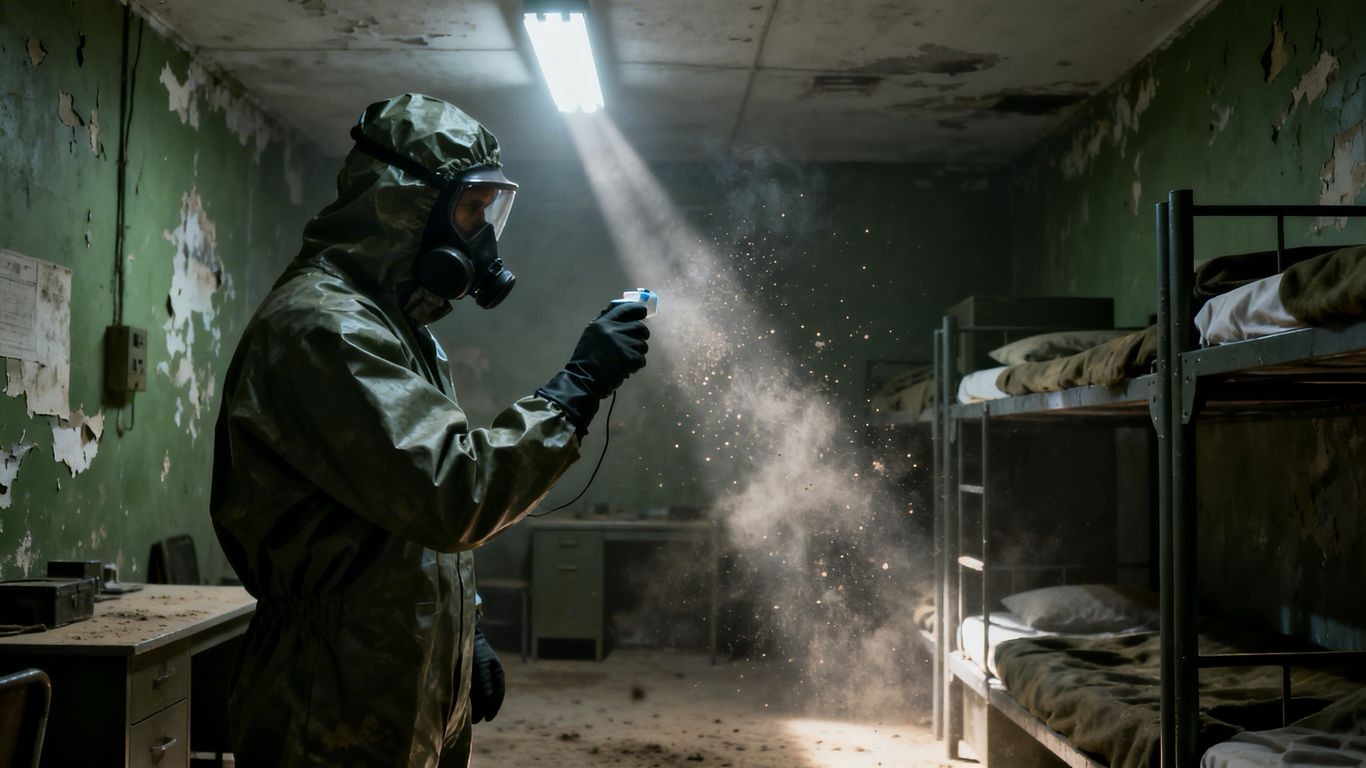
What is Asbestos and Its Hazards
Asbestos is a group of naturally occurring minerals that were once valued for their strength and resistance to heat and fire. Because of these properties, it was used in a wide variety of building materials, especially during the mid-20th century. When asbestos-containing materials are disturbed—whether through cutting, sanding, or general wear and tear—they can release tiny fibers into the air. These microscopic fibers are the primary hazard. Once inhaled or ingested, they can become lodged in the body and remain there for a lifetime. Over many years, these fibers can cause serious health problems, including scarring of the lungs (asbestosis) and various types of cancer, such as lung cancer and mesothelioma. It’s important to know that there is no known safe level of asbestos exposure; even small amounts can pose a risk.
Historical Use in Military Construction
During the mid-20th century, asbestos was a common component in construction materials used across military installations worldwide. Its fire-retardant and insulating qualities made it an attractive choice for building barracks, hangars, housing, and support facilities. Materials like insulation, flooring tiles, ceiling panels, cement, and even paints often contained asbestos. This widespread use meant that service members and their families living and working in these structures were frequently exposed to asbestos fibers. Many structures built during this era, including Quonset huts and buildings with extensive pipe insulation, still contain these materials today. The military’s reliance on asbestos was extensive, impacting everything from large base structures to the components within vehicles and aircraft.
The Danger of Disturbed Asbestos Materials
The real danger from asbestos arises when the materials containing it are disturbed. Intact and undisturbed asbestos-containing materials generally do not pose an immediate threat. However, activities such as renovation, demolition, maintenance, or even simple wear and tear can cause these materials to crumble or break apart, releasing asbestos fibers into the air. Once airborne, these fibers can be easily inhaled. This is particularly concerning in living quarters where people spend significant amounts of time. For instance, drilling into an asbestos-containing wall or ceiling, or even sweeping up debris from deteriorating flooring, can create a hazardous environment. The fibers are so small they are invisible to the naked eye, making it difficult to know when exposure is occurring without proper testing. The long-term health consequences of inhaling these fibers can take decades to manifest, making the initial disturbance a critical point of concern for long-term health outcomes.
Identifying Asbestos Exposure Risks on Military Bases
Asbestos Presence in Existing Structures
Many military bases, especially those established before the late 1970s, still contain asbestos materials within their older buildings. This includes barracks, hangars, mess halls, and even family housing units. These materials were used extensively for their fire-resistant and insulating properties. When these asbestos-containing materials are disturbed, microscopic fibers can become airborne, posing a significant inhalation risk. Even structures that appear sound might harbor asbestos in insulation, flooring, ceiling tiles, or roofing. Cleanup efforts have occurred at some sites, but asbestos remains a concern at many installations, with some military housing potentially exposing residents to these toxins [e737].
Exposure During Renovations and Demolitions
Renovation and demolition projects on older military structures are prime times for asbestos exposure. Cutting into walls, removing old flooring, or dismantling roofing can release asbestos fibers that were previously contained. Workers involved in these activities, as well as personnel in nearby areas, can be exposed if proper containment and safety protocols are not strictly followed. The disturbance of these materials can create a hazard that lingers long after the work is completed. Service members who later develop symptoms should explore resources covering understanding advanced mesothelioma stages to be prepared for diagnostic conversations with their physicians.
Common Military Housing Materials
Asbestos was commonly found in a variety of building materials used in military housing constructed during the mid-20th century. These materials often included:
- Vinyl floor tiles and the associated mastic (adhesive)
- Textured paints and coatings on walls and ceilings
- Insulation for pipes, boilers, and ducts
- Roofing and siding shingles
- Cement sheets used for walls and partitions
Living in or frequently visiting housing built with these materials means a potential for ongoing, low-level exposure, especially as these materials age and degrade over time.
Occupational Risks and Airborne Asbestos in Living Quarters
Service members in certain roles faced a higher likelihood of encountering airborne asbestos during their duties. This exposure wasn’t confined to specialized industrial settings; it was often an inherent part of maintaining and operating military infrastructure and equipment. The pervasive use of asbestos in construction and vehicle components meant that many jobs carried an unrecognized risk.
High-Risk Air Force Occupations
Several Air Force positions put individuals in direct contact with asbestos-containing materials. These roles often involved working with systems where asbestos was used for its insulating and fire-resistant properties. Some of the occupations with elevated risk include:
- Aircraft mechanics and electricians: These personnel worked on aircraft systems like brakes, wiring insulation, and heat shields, all of which frequently incorporated asbestos.
- Boiler operators and pipefitters: Maintaining heating systems and steam lines in base facilities meant regular interaction with asbestos insulation.
- Welders and construction crews: Involved in new builds or renovations, they handled asbestos in roofing, flooring, cement, and insulation materials.
- Firefighters: Used asbestos-lined protective gear and worked in structures containing asbestos.
- Vehicle mechanics: Serviced trucks and transport equipment with asbestos brake pads and gaskets.
Asbestos in Aircraft and Vehicle Components
Asbestos was a common material in military aircraft and vehicles for decades. Its inclusion in components like brakes, gaskets, engine heat shields, and electrical wiring insulation was standard practice. When these parts were serviced, repaired, or replaced, asbestos fibers could become airborne. This meant that mechanics and maintenance crews were regularly exposed to these hazardous particles, often without full awareness of the danger. The widespread use of asbestos in these critical systems meant that exposure was not limited to just a few specific jobs but could affect anyone involved in their upkeep. Understanding the specific components that contained asbestos is key to recognizing past exposure risks, especially when considering the long latency period for asbestos-related diseases. For those concerned about potential exposure, resources are available to help understand asbestos risks.
Maintenance and Repair Exposure Pathways
The daily tasks of maintenance and repair on military bases created numerous pathways for asbestos exposure. Beyond aircraft and vehicles, asbestos was present in building materials used for hangars, barracks, and other facilities. Activities such as:
- Cutting or drilling into asbestos-containing insulation or ceiling tiles during building repairs.
- Replacing worn-out brake pads or engine gaskets on vehicles.
- Working on steam pipes or boilers that were insulated with asbestos materials.
- Demolishing or renovating older structures on base.
all had the potential to release microscopic asbestos fibers into the air. These fibers could then be inhaled by workers and, in some cases, carried home on clothing, leading to secondary exposure for families.
Secondary Exposure: Families and Airborne Asbestos
Contamination from Service Member’s Uniforms
It wasn’t just service members on the base who faced risks. Asbestos fibers could easily cling to uniforms, work boots, and other gear. When these items were brought home, they carried the microscopic dust with them. This meant that family members, often unknowingly, could be exposed to these harmful fibers through everyday activities. The simple act of shaking out a uniform before washing could release a cloud of asbestos dust into the air.
Household Chores and Asbestos Dust
Activities within the home could further spread asbestos contamination. Helping with laundry, especially washing or shaking out uniforms, was a direct pathway for exposure. Cleaning vehicles that had been on base, or even just sweeping floors in homes built with asbestos-containing materials, could stir up settled fibers. Over time, these repeated exposures, even at low levels, could pose a significant health risk to spouses and children.
Long-Term Proximity Risks
Living in military housing constructed with asbestos materials presented a constant, low-level exposure risk. Over years of close contact, families could inhale fibers released from deteriorating insulation, tiles, or other building components. This prolonged proximity meant that even if a service member’s work gear was cleaned regularly, the home environment itself could be a source of ongoing asbestos exposure for everyone living there.
Health Implications of Airborne Asbestos Exposure
Latency Period of Asbestos-Related Diseases
It’s important to understand that asbestos-related illnesses don’t show up right away. There’s often a significant delay, known as a latency period, between when someone is exposed to asbestos fibers and when they actually develop symptoms. This period can stretch for many years, sometimes 20 to 50 years or even longer. This long delay can make it difficult to connect current health problems to past exposures, especially for veterans who may have served decades ago. This extended timeline is a key reason why recognizing and addressing asbestos exposure is so critical. Reviewing stage 4 mesothelioma information can help veterans and their families understand what a late-stage diagnosis means for treatment decisions and long-term planning.
Respiratory Conditions and Lung Cancer
When asbestos fibers are inhaled, they can become lodged in the lungs and the lining around them. Over time, these fibers can cause scarring and inflammation. One common outcome is asbestosis, a condition where lung tissue becomes scarred, making it harder to breathe. Another serious consequence is an increased risk of lung cancer. The presence of asbestos fibers irritates lung cells, which can lead to cancerous changes over many years.
Mesothelioma and Other Cancers
Mesothelioma is a particularly aggressive cancer that affects the mesothelium, the thin membrane lining the lungs, abdomen, or heart. It is almost exclusively caused by asbestos exposure. While lung cancer and mesothelioma are the most well-known asbestos-related cancers, exposure has also been linked to other forms of cancer, including those affecting the larynx, ovaries, and digestive tract, such as colorectal and esophageal cancers. The microscopic fibers can travel through the body, potentially causing harm in various organs. Those facing an advanced diagnosis can find detailed guidance on stage 4 mesothelioma prognosis and care to understand what treatment and support options may be available.
Managing Airborne Asbestos in Military Living Quarters
Current Asbestos Management Practices
Dealing with asbestos in military housing involves a multi-faceted approach. The primary goal is to prevent the release of asbestos fibers into the living environment. This means that when asbestos-containing materials are identified, they are managed carefully. This can involve encapsulation, where the material is sealed to prevent fiber release, or enclosure, where it’s covered up. In some cases, especially during renovations or when materials are damaged, complete removal, known as abatement, is necessary. These practices are guided by regulations and aim to minimize exposure risks for service members and their families.
Identifying and Abating Asbestos
Identifying asbestos is the first step. This usually involves trained professionals taking samples of suspect materials, like old insulation, tiles, or roofing, and sending them to a lab for testing. If asbestos is confirmed, a plan for its management or removal is developed. Abatement is a complex process that requires specialized equipment and trained personnel to safely remove the material and clean the area afterward. Veterans diagnosed with asbestos-related illness during or after this process should review available late-stage mesothelioma legal options to understand what compensation may be accessible based on their diagnosis. This is particularly important in older housing units or buildings undergoing renovation. The process typically includes:
- Containment: Setting up barriers to keep asbestos fibers from spreading to other areas.
- Removal: Carefully taking out the asbestos-containing materials.
- Cleanup: Thoroughly cleaning the area to remove any remaining fibers.
- Air Monitoring: Testing the air to confirm it’s safe before removing containment.
Health Monitoring and Support for Veterans
Given the long latency period for asbestos-related diseases, ongoing health monitoring and support are vital for veterans and their families. This includes regular medical check-ups, especially for those who may have had significant exposure. Awareness campaigns help educate individuals about the potential health risks and symptoms to watch for. For those diagnosed with asbestos-related illnesses, resources are available to help navigate medical treatment, disability claims, and legal options. A mesothelioma staging overview can also help veterans and caregivers understand how the stage of diagnosis affects both prognosis and the compensation options available. Support systems are in place to assist veterans in accessing the care and compensation they deserve.