AC Repairs After a Storm
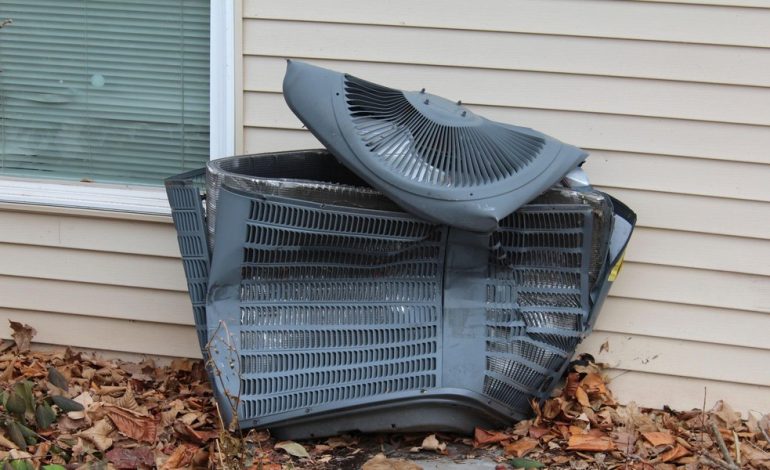

Severe weather can leave more than just fallen branches and power outages behind. If your cooling system was exposed to heavy rain, lightning, flooding, or flying debris, you may need AC repairs after a storm. Even if your system turns back on, hidden damage can reduce efficiency or lead to sudden breakdowns later.
Here’s what to check-and what steps to take-to protect your air conditioning system after severe weather.
1. Inspect the Outdoor Unit First (From a Safe Distance)
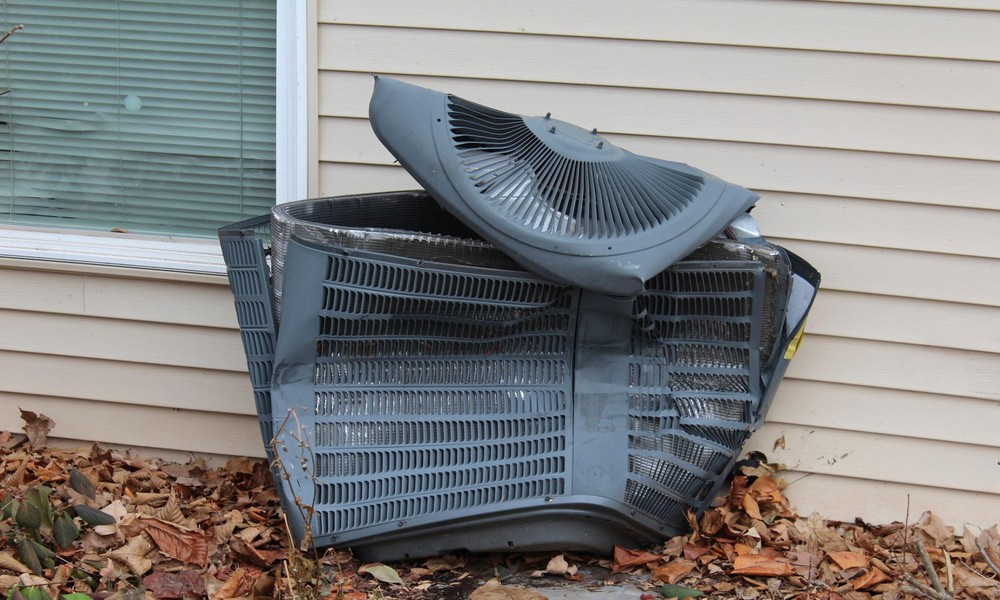
After a storm passes and it’s safe to go outside, visually inspect your condenser unit for:
- Fallen branches or debris
- Bent fins or damaged panels
- Mud or standing water
- Loose wiring
- Tilted or shifted unit base
Do not open the unit yourself. If you see visible damage, call a licensed HVAC technician for professional AC repairs.
2. Check for Flooding Damage
Flooding is especially dangerous for HVAC systems.
If your outdoor unit was submerged in water:
- Do not turn it on
- Do not reset breakers
- Contact a professional immediately
Water exposure can damage electrical components, motors, and compressors. In storm-prone states like Florida, Texas, and Louisiana, flood-related AC repairs are common after hurricanes and tropical storms.
3. Inspect the Breaker Panel
Power surges caused by lightning can trip breakers or damage internal components.
Check for:
- Tripped AC breakers
- Burnt smells near the panel
- Flickering thermostat display
If the breaker trips repeatedly, leave it off and schedule professional service.
4. Listen for Unusual Noises
After restoring power, turn the system on and listen carefully.
Warning signs include:
- Grinding
- Buzzing
- Banging
- Clicking
These sounds could indicate damaged motors, capacitors, or compressor issues requiring AC repairs.
5. Check Airflow and Cooling Performance
If your system runs but doesn’t cool properly, the storm may have caused:
- Refrigerant line damage
- Electrical malfunction
- Compressor stress
- Fan motor issues
Warm air or weak airflow is a sign that a professional inspection is needed.
6. Look for Ice or Moisture Inside
Heavy humidity and debris can clog drain lines or affect refrigerant pressure.
Watch for:
- Ice on refrigerant lines
- Water leaks near the indoor unit
- Musty odors
Moisture-related damage can worsen if ignored.
7. Check the Unit’s Position
Strong winds can shift your outdoor condenser.
Ensure:
- The unit remains level
- Refrigerant lines are intact
- Electrical connections are secure
A tilted or shifted condenser can strain internal components.
8. Document Damage for Insurance
If you suspect storm-related AC repairs, take photos of:
- Visible damage
- Debris impact
- Flooding evidence
Some homeowner insurance policies may cover storm-related HVAC damage.
Preventing Future Storm Damage
To reduce future risk:
- Install hurricane tie-down straps
- Elevate units in flood-prone areas
- Trim nearby trees
- Use surge protectors
- Schedule post-storm inspections
Preventative measures extend system lifespan and minimize emergency AC repairs.
When to Call a Professional Immediately
Contact an HVAC technician right away if:
- The unit was submerged
- You smell burning or see smoke
- The breaker won’t reset
- Loud mechanical noises occur
- Cooling performance has dropped significantly
Attempting DIY electrical repairs can be dangerous.
Final Thoughts
AC repairs after a storm should never be delayed. Even minor storm damage can lead to major mechanical failures if left unchecked. Start with a safe visual inspection, avoid turning on flooded systems, and call a licensed HVAC professional for a thorough evaluation.
Quick action helps restore cooling safely, prevent further damage, and ensure your home stays comfortable-even after severe weather.
This post was written by a professional at Air Mavericks Heating & Cooling. Air Mavericks Heating & Cooling provides expert AC repair, installation, and maintenance in Largo, FL. Searching for ac companies near you, hvac repair near you, or hvac installation near you? Our licensed techs deliver fast, honest, and reliable HVAC service.