How to Maintain and Protect Your Wooden Flooring for Lasting Beauty


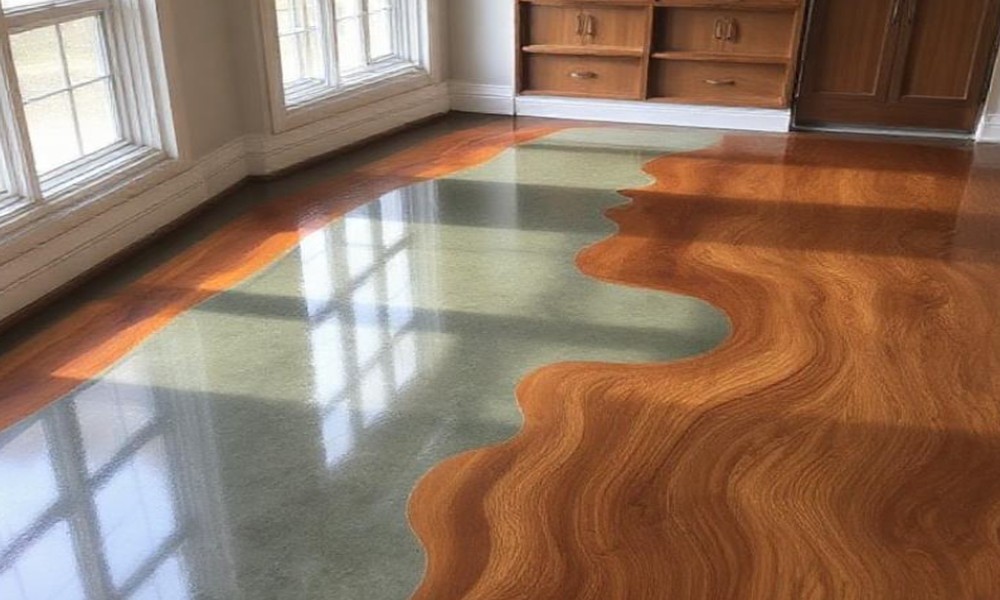
Wooden flooring adds unmatched elegance, warmth, and sophistication to any home. Its natural charm makes it a popular choice for homeowners who want a blend of style and durability. However, like any investment, wooden floors require proper care and maintenance to keep them looking beautiful over time. With the right approach, your Wooden Flooring can last for decades, continuing to enhance your living space with its classic appeal.
In this guide, we’ll explore expert tips and simple routines to help you maintain and protect your wooden flooring, ensuring it remains a stunning feature in your home for years to come.
Regular Cleaning Is Key
One of the most important habits to preserve the beauty of wooden flooring is regular cleaning. Dust, dirt, and small debris can act like sandpaper on the wood surface, causing micro-scratches that dull its finish over time.
Best Practices:
- Daily Sweeping or Vacuuming: Use a soft-bristle broom or a vacuum cleaner equipped with a hardwood floor attachment to remove dust and debris. This prevents particles from scratching the wood surface.
- Weekly Damp Mopping: Clean your wooden floor using a damp microfiber mop. Avoid soaking the floor, as excess water can seep into the wood, causing swelling or warping. Instead, use a wood floor cleaner diluted in water or a specialized hardwood floor solution.
- Avoid Harsh Chemicals: Never use abrasive or ammonia-based cleaners, bleach, or vinegar solutions, as they can damage the finish of the flooring and strip its natural oils.
Deal with Spills Immediately
Spills are part of daily life, but leaving liquids unattended can cause permanent stains or structural damage to wooden floors.
Expert Tip:
- As soon as a spill occurs, grab a soft, dry cloth or microfiber towel and blot the liquid immediately.
- For sticky substances, gently wipe the area with a slightly damp cloth followed by a dry cloth to prevent moisture buildup.
- Avoid rubbing spills aggressively, as this can push the liquid deeper into the wood.
Protect Against Scratches and Dents
Wood is naturally softer than materials like ceramic tiles, making it susceptible to scratches, dents, and scuffs, especially in high-traffic areas.
Simple Solutions:
- Use Furniture Pads: Attach felt pads to the bottom of chair legs, tables, and other heavy furniture to prevent scratches when moving them.
- Place Rugs and Mats: Strategically position area rugs and door mats in entryways, hallways, and beneath heavy furniture to absorb impact and collect dust.
- Remove Shoes: Encourage a no-shoes policy inside the house, particularly avoiding high heels or shoes with hard soles that can dent the wood.
Control Humidity and Temperature
Wood is a natural material that expands and contracts with changes in humidity and temperature. Extreme fluctuations can lead to warping, gaps, or buckling.
How to Maintain Optimal Conditions:
- Maintain indoor humidity levels between 40–60% using a humidifier or dehumidifier depending on the season.
- Avoid exposing wooden floors to direct sunlight for extended periods, as this can fade the color or dry out the wood.
- Ensure proper ventilation in rooms to prevent moisture buildup and allow air circulation.
Periodic Polishing and Refinishing
Over time, even well-maintained wooden flooring can start to lose its shine or develop minor surface scratches. Periodic polishing or refinishing restores its beauty and provides additional protection.
Polishing Routine:
- Every few months, use a specially formulated wood floor polish to rejuvenate the surface and restore shine.
- For older floors showing signs of wear, professional sanding and refinishing every 5–10 years can restore the original luster and repair minor damage.
Avoid Common Mistakes
Certain habits unknowingly damage wooden flooring. Here are pitfalls to avoid:
- Excess Water Usage: Never use a soaked mop or wash the floor with buckets of water.
- Harsh Cleaning Tools: Avoid steel wool, abrasive scrubbers, or stiff-bristled brushes.
- Heavy Dragging of Furniture: Lifting furniture when moving it prevents gouges or scratches compared to dragging.
Choose the Right Cleaning Products
Not all wood floor cleaners are created equal. For long-lasting protection:
- Use pH-neutral, non-toxic hardwood floor cleaners recommended by your flooring manufacturer.
- Avoid multi-purpose cleaners that aren’t designed for wood surfaces.
- Microfiber mops are ideal because they clean effectively without damaging the finish.
Conclusion: Longevity Starts with Simple Habits
Maintaining and protecting your Wooden Flooring doesn’t have to be complicated or time-consuming. A few simple habits—regular sweeping, immediate spill cleanup, using furniture pads, controlling humidity, and periodic polishing—can go a long way toward preserving your floor’s beauty and durability.
Wooden flooring isn’t just a functional surface; it’s a long-term investment that adds character and value to your home. With the right care, your wood floors will continue to offer timeless elegance and warmth for decades.